
Caring for Your Horse in Winter: How Cold Weather Affects the Body and How to Help
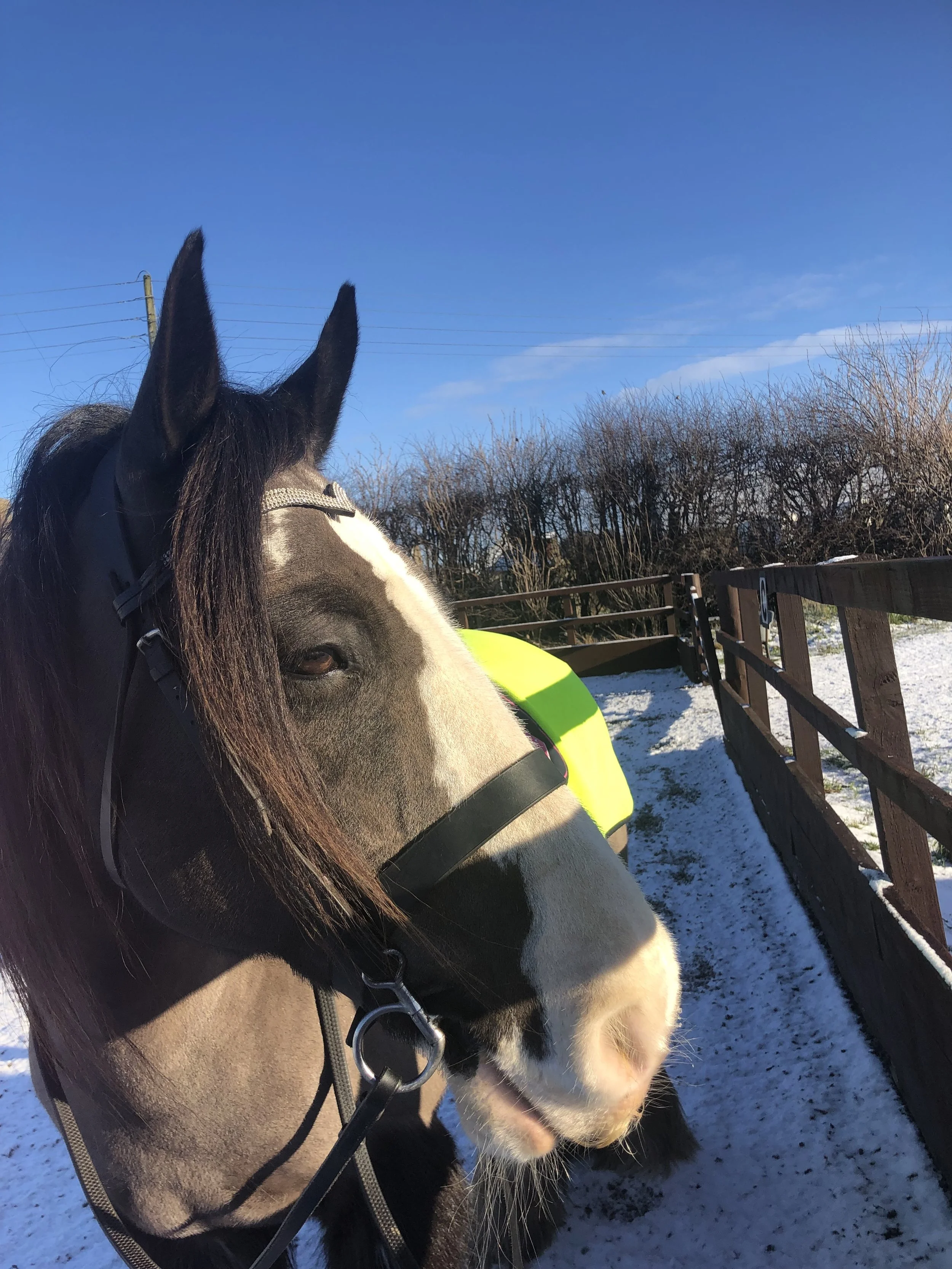
Winter can be a challenging time for horses. Cold temperatures, wet conditions, reduced daylight, and changes in routine all place additional strain on the horse’s body. While horses are naturally resilient, winter horse care plays a vital role in maintaining comfort, soundness, and long-term musculoskeletal health.
From an equine physiotherapy perspective, winter is often when stiffness, reduced mobility, and underlying issues begin to surface. Understanding how cold weather affects your horse — and what you can do to help — is key to keeping them healthy and comfortable through the winter months.
Why Caring for Horses in Winter Is So Important
In winter, many horses experience:
Reduced turnout and movement
Increased stabling
Heavier rugs
Hard, frozen, or muddy ground
Less consistent exercise
These factors can quietly impact joints, muscles, and overall biomechanics. Without proactive management, small areas of stiffness can develop into pain, compensation, or performance issues by spring.
Good winter horse management focuses on maintaining movement, circulation, and muscle health despite environmental challenges.
How Cold Weather Affects the Horse’s Body
1. Muscles and Soft Tissue
Cold temperatures reduce blood flow to the muscles, making them less elastic and more prone to stiffness or strain. Tight muscles are slower to warm up and recover, increasing the risk of injury.
Common signs of muscle stiffness in winter include:
Shortened stride length
Reluctance to move forward
Resistance to bending
Tightness through the neck, back, or hindquarters
Horses in intermittent work are particularly vulnerable.
2. Joints and Mobility
Joints rely on regular movement to stay lubricated and healthy. In colder weather, joint fluid becomes thicker, and reduced movement can lead to stiffness — especially in horses with arthritis or previous joint injuries.
Joints most affected in winter:
Hocks
Stifles
Fetlocks
Knees
This is why winter care for older horses is especially important.
3. Fascia and Connective Tissue
Fascia surrounds muscles and organs, allowing smooth movement throughout the body. Cold weather reduces fascial elasticity, which can restrict movement and alter posture. Over time, this may lead to compensatory patterns and discomfort.
4. The Back and Core Muscles
Winter rugs, reduced exercise, and changes in posture can all affect the back and core. Poor topline development or back soreness often becomes noticeable in late winter or early spring.
Signs to watch for:
Sensitivity to grooming
Poor saddle tolerance
Hollow way of going
Loss of topline
5. Circulation and Recovery
Cold weather reduces circulation, particularly to the limbs. This means muscles and soft tissues take longer to warm up and recover after exercise, increasing post-exercise soreness if workloads aren’t adjusted.
What Areas Are Most Impacted in Winter?
While every horse is different, the areas most commonly affected during winter include:
Neck and back muscles
Hindquarters and hocks
Older or arthritic joints
Previous injury sites
Performance horses, veteran horses, and those with inconsistent workloads are most at risk.
How to Help Your Horse Stay Comfortable in Winter
1. Encourage Regular Movement
Movement is essential for joint lubrication and muscle health.
Maximise turnout when conditions allow
Encourage gentle in-hand walking on poor turnout days
Avoid long periods of inactivity
Even light daily movement can significantly reduce stiffness.
2. Warm Up Thoroughly Before Exercise
In winter, warm-ups should be longer and more gradual.
Start with 10–15 minutes of active walking
Introduce transitions slowly
Allow muscles time to warm before demanding work
This is one of the simplest ways to prevent winter-related injuries.
3. Adjust Workload and Expectations
Winter is not always the time to push fitness.
Reduce intensity when conditions are poor
Focus on quality, not quantity
Include groundwork and pole work for gentle strengthening
Listening to your horse’s feedback is key.
4. Rug Appropriately (But Don’t Over-Rug)
Rugs should keep horses warm without restricting movement.
Ensure correct fit across shoulders and withers
Avoid excessive weight that limits mobility
Monitor muscle tone and comfort regularly
Poorly fitting rugs can contribute to muscle tension and back pain.
5. Support Circulation and Muscle Health
Regular grooming stimulates blood flow
Stable bandaging may help some horses
Gentle massage can reduce tension and improve comfort
Owner-led massage is an excellent way to support your horse between professional treatments
6. Book Regular Equine Physiotherapy Checks
Winter is an ideal time for preventative equine physiotherapy. Regular assessments can:
Identify stiffness early
Maintain joint range of motion
Improve comfort and performance
Prevent small issues becoming larger problems
Final Thoughts: Proactive Winter Horse Care Pays Off
Caring for your horse in winter isn’t just about getting through the cold months — it’s about setting them up for a healthier, stronger spring and summer. With the right management, regular movement, and professional support, winter doesn’t have to mean stiffness or discomfort.
If you’re concerned about your horse’s movement, comfort, or performance this winter, an equine physiotherapy assessment can make a significant difference.